British traditions play an important role in everyday life in the UK, especially for international students experiencing the country for the first time. If you’re a host family looking for meaningful activities to share, or a student or parent curious about life at a UK boarding school, seasonal traditions offer a simple way to understand British culture throughout the year.
Many international students will interact with these customs while staying with host families or attending school. These shared experiences help students settle in, build connections and create lasting memories.
This seasonal guide explains what you can expect and offers relaxed, low‑cost activity ideas to enjoy throughout the year.
Halloween traditions in the UK blend ancient Celtic Samhain roots with more modern, American‑style customs. Today, it is generally a friendly, fun and family‑oriented event, focusing on costumes, pumpkins and simple activities for children and teenagers.
Activities hosts often enjoy with students:
Many international students have never experienced this UK‑specific event. Bonfire Night, or Guy Fawkes Night is a long‑established British tradition held on 5 November. It marks the failure of the 1605 Gunpowder Plot, although modern celebrations are simply an outdoor social event centred around fireworks.
Typical activities:
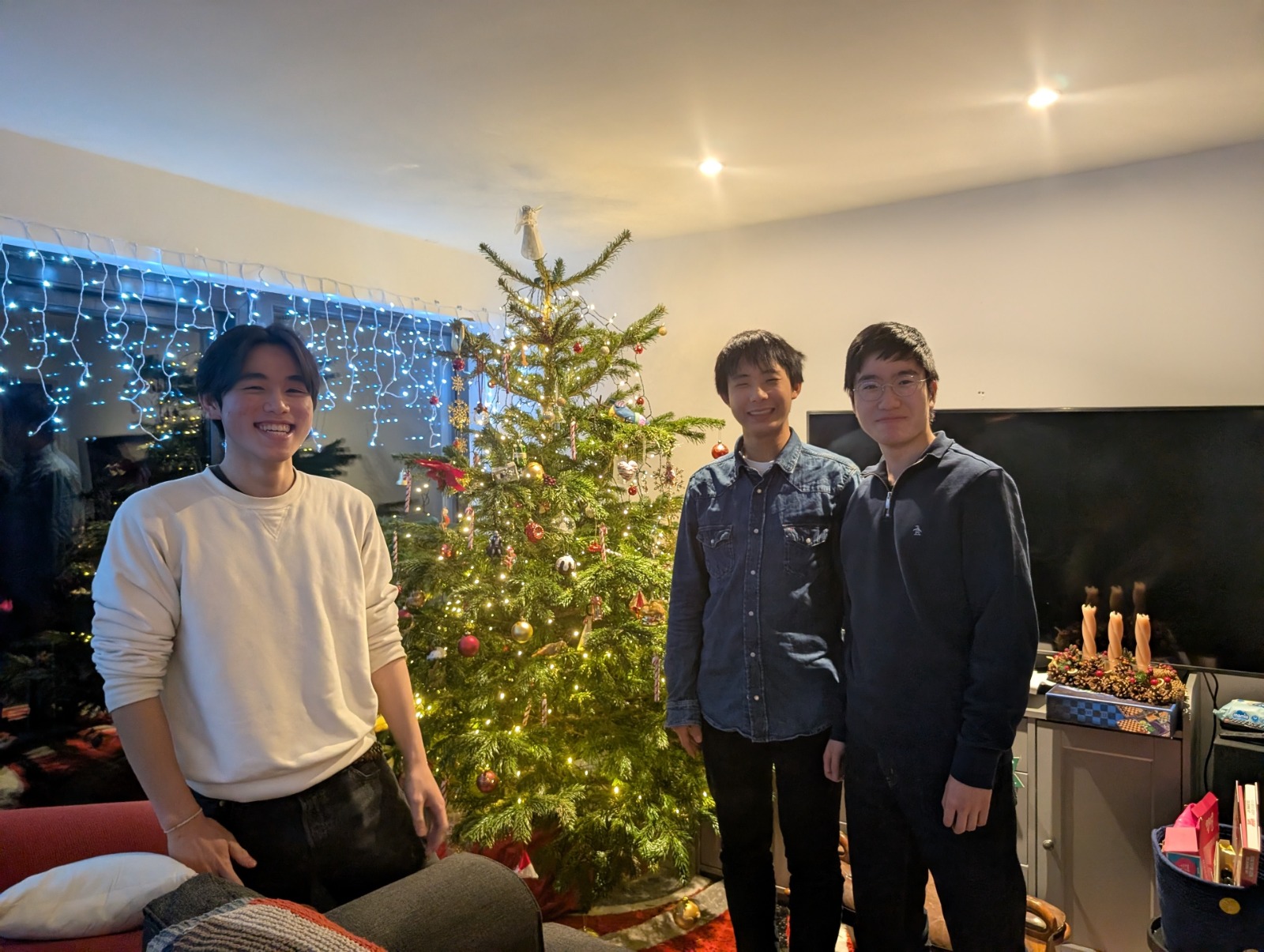
Christmas in the UK is both a cultural and, for some families, a religious celebration. Some families attend a Christmas church service or Midnight Mass, particularly on Christmas Eve. Attendance is usually optional and welcoming, and students are never expected to take part in anything unless they wish to.
Most families will take part in the social and seasonal aspects - the focus being generally on decoration, food and spending time together. For international students who may not celebrate Christmas at home, experiencing British Christmas traditions can be inclusive, relaxed and a valuable cultural insight.
Common activities include:
Boxing Day is a public holiday in the UK and forms an important part of the Christmas period. Traditionally associated with rest and leisure after Christmas Day, it is now commonly spent enjoying time outdoors, visiting family or relaxing at home and eating all the Christmas leftovers.
The focus is on marking the start of the new calendar year. If a student stays in the UK over New Year, they may experience:
Shrove Tuesday, often called Pancake Day, is a well‑known British tradition marking the day before Lent begins. While it has religious origins, most people in the UK now celebrate it as a fun cultural event focused on making pancakes, experimenting with with sweet and savoury toppings.
Easter is a Christian festival marking the resurrection of Jesus. In the UK, many families observe the cultural elements even if they do not follow the religious aspects. Easter customs vary greatly worldwide, so hosts often introduce students to simple traditions such as:
Although the May half term falls just before summer, students often start to enjoy lighter evenings and warmer weather. This period has a slower pace and offers relaxed, informal ways to experience British summer life.
For international students, these informal activities provide a glimpse into how people in the UK make the most of good weather - often spontaneously and without much planning.
There is no need for elaborate plans or formal celebrations to introduce British culture. Many traditions are woven naturally into everyday life, making them easy to share and understand. From seasonal routines to simple family activities, these everyday experiences gradually help international students feel more comfortable and confident, shaping how they remember their time living in the UK.
This article appears in the following categories Guardianship, Host Families

Would you like to get your school's brand in front of our international audience of students and parents? We invite our partner schools to submit articles to our blog.
Contact Us






© 2026 Academic Families | Academic Families is a Safer Recruiter