As an international student, you’ll want to submit the strongest application possible. Our team uses an easy six step process for UK higher education enrolment, and our Higher Education Admissions Experts are here to guide you at every stage.
Researching UK universities is an exciting step, and understanding key terms can help your decision-making. This guide introduces the main types of UK universities and explains what makes each group different – helping you feel more informed and confident as you explore your higher education options.
You may come across many terms used to describe UK universities, which can offer insight into what makes an institution unique. Some of these labels may be entirely new to international families. The most common ones include:
These groupings offer useful background, but they do not tell the whole story. There are excellent opportunities, supportive communities and world class teaching standards across many types of higher education institutions in the UK.
It’s important to remember that rankings don’t mean everything. The "best" university is one that aligns with your goals, interests and learning style. Every student thrives in a different environment, and the ideal university for you may not be the same as your friends or peers.
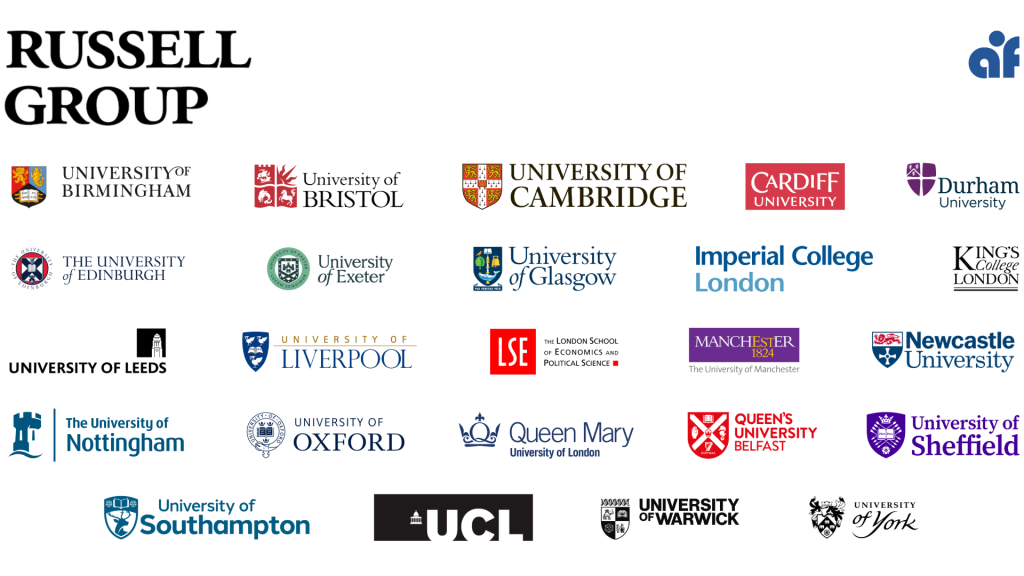
Throughout the UK, Russell Group universities are widely recognised for:
They offer an intellectually challenging environment and tend to attract students who thrive in a fast‑paced setting. Teaching is closely linked to research, and many courses are shaped by academics who are leaders in their field.
Students develop skills such as critical thinking, analytical reading, academic writing and independent research - all highly valued across many professions and particularly relevant if you are considering postgraduate study.
Coursework often includes essays, research projects, presentations, data analysis tasks and extended reading lists, introducing students to leading research, discoveries and perspectives in their subject.
Students also benefit from excellent on‑campus facilities, including specialist laboratories, subject‑specific studios, performance spaces, lecture theatres, modern sports centres and more.
Entry requirements can be high. International applicants may need to meet minimum GPA levels or country‑specific grades, and provide English‑language scores such as IELTS or TOEFL. Our team can help you understand these requirements and identify the universities that best match your academic profile and future goals.
Contact us to start your Higher Education journey today.
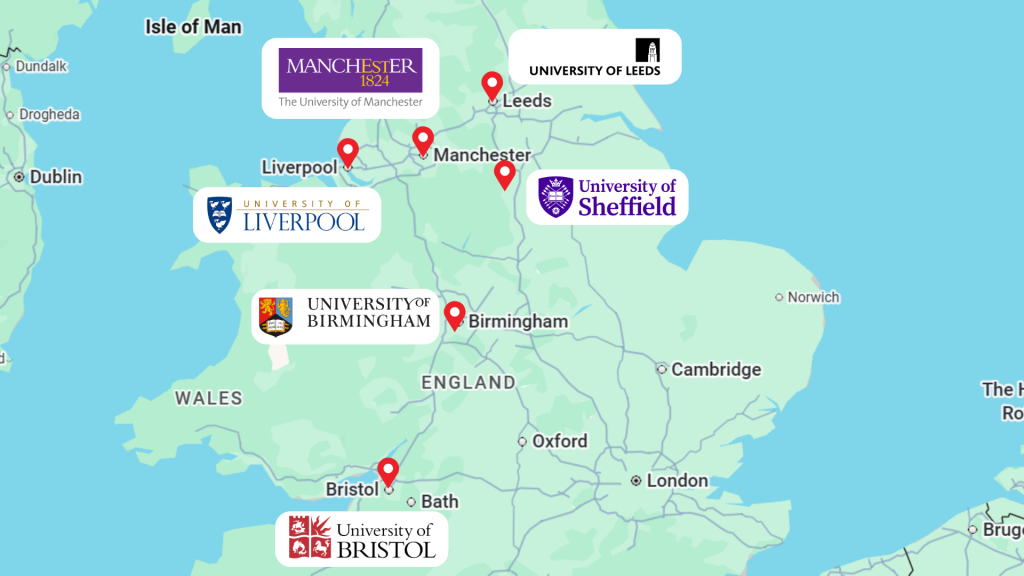
Red brick universities are historic institutions located in major UK cities. They are known for:
Although all six institutions are now fully integrated into the Russell Group, each one maintains its distinctive character. Many have strong historic ties to engineering, applied science and innovation - with close links to local organisations, hospitals and professional communities. This creates opportunities for work or internship placements, real‑world learning and community engagement throughout your studies.
Their city‑centre locations create a vibrant student experience, with easy access to events, work opportunities and the energy of modern working life. This is a different experience to traditional campus-based universities, making them a popular choice for both British and international students.

In 1992, polytechnics became independent universities through the Further and Higher Education Act 1992. However, they retain their polytechnic roots and are known for:
There are 78 post‑1992 universities across the UK. Some well-known examples are:
Post‑1992 universities usually offer a lively, supportive and professionally‑oriented environment. Many courses have work placements, internships and hands‑on projects linked directly to current industry needs built directly into them.
Assessments may include group work, live briefs, practical assignments, studio work, lab sessions, simulations and portfolio development. These universities suit students who learn best through doing - those who enjoy teamwork, applied learning and developing skills they can use immediately in the workplace.
Many students value gaining real experience during their degree, and universities in this group often have dedicated teams who support students as they move into employment.
As an international student, you’ll want to submit the strongest application possible. Our team uses an easy six step process for UK higher education enrolment, and our Higher Education Admissions Experts are here to guide you at every stage.
While these three university groups can be a useful starting point, they do not determine the quality of teaching, student support or graduate success. Rankings and reputational labels can be a useful starting point, but they are not everything.
A university’s overall ranking may not reflect the strength of your specific subject, so it’s important to look closely at programme‑level reputation, facilities, teaching style and career outcomes within the area you want to study.
For example, different universities are recognised for strengths in particular fields:
If you’re curious about other important factors for international students to consider when exploring UK universities – for example degree length, teaching styles, assessment methods, campus types, tuition fees and scholarship options – you can read our full guide for international students.

Now that you know more about the different university groups, it’s time to think about what really matters to you as you choose where to apply. Your ideal university should reflect your interests, the kind of learning environment you enjoy, your long‑term goals and the type of support that helps you thrive.
That’s where Academic Families can help. Contact us today and we’ll help you explore your options and shortlist five UK higher education institutions that are the best match for you. UCAS allows students to apply to a maximum of five choices - so creating a focused, well‑matched list is an important part of the process.
You can also book a meeting with Cat, our Higher Education Expert, who will answer any questions you have and help you feel confident about your next steps.
This article appears in the following categories Higher Education

Would you like to get your school's brand in front of our international audience of students and parents? We invite our partner schools to submit articles to our blog.
Contact Us






© 2026 Academic Families | Academic Families is a Safer Recruiter